Kissimmee Valley Land Clearing connects Kissimmee property owners with a local land clearing contractor for carefully scoped forestry mulching in Kissimmee and surrounding Central Florida communities.
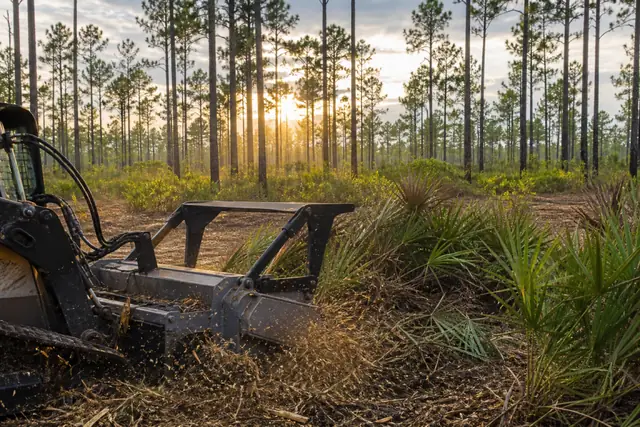
Forestry mulching fits Kissimmee parcels where the goal is usable ground without stripping every root and topsoil layer. A tracked carrier processes shrubs, vines, small stems, and fallen material in place, so fewer truck movements are needed on narrow rural drives or occupied acreage.
The first walk separates material the head can safely process from wire, dumped debris, large hardwoods, wet pockets, and protected habitat. That distinction keeps a tidy mulching job from being sold as full grubbing or finish grading, which are different scopes with different equipment.
A machine plan shaped by water and soil
Osceola County flatwoods can look firm at the gate and soften sharply near swales. The USDA Web Soil Survey helps identify mapped drainage classes, but the operator still checks current moisture and chooses entry points that limit rutting.
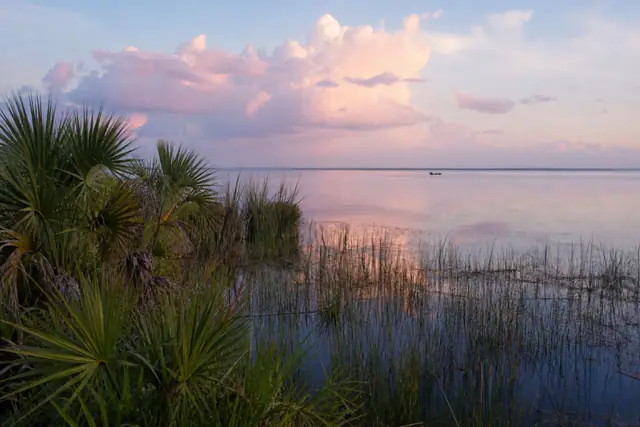
Near Shingle Creek or the Lake Toho system, surface flow matters after the machine leaves. The South Florida Water Management District describes this watershed as part of the Everglades headwaters, a useful reminder to keep chipped material out of channels and maintain existing drainage paths.
What the mulch layer can and cannot do
A moderate chip layer cushions bare sand, slows splash erosion, and returns woody material to the site. It is not structural fill, and it should not be packed into a future building pad; permit needs for the larger project can be checked through Osceola County permit applications.
Burrows get marked before tracks move across open sandy patches. FWC gopher tortoise guidance says development activity within 25 feet of a burrow can require a relocation permit, so the habitat check belongs ahead of production.